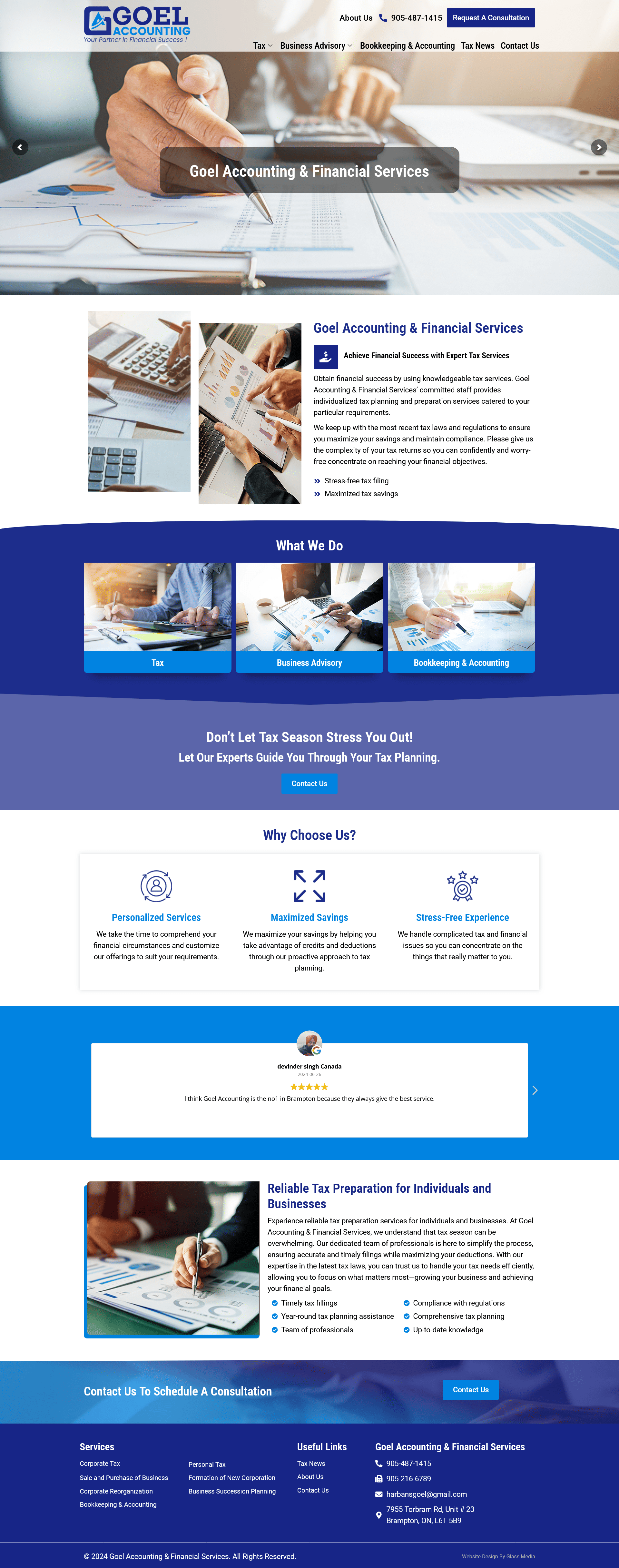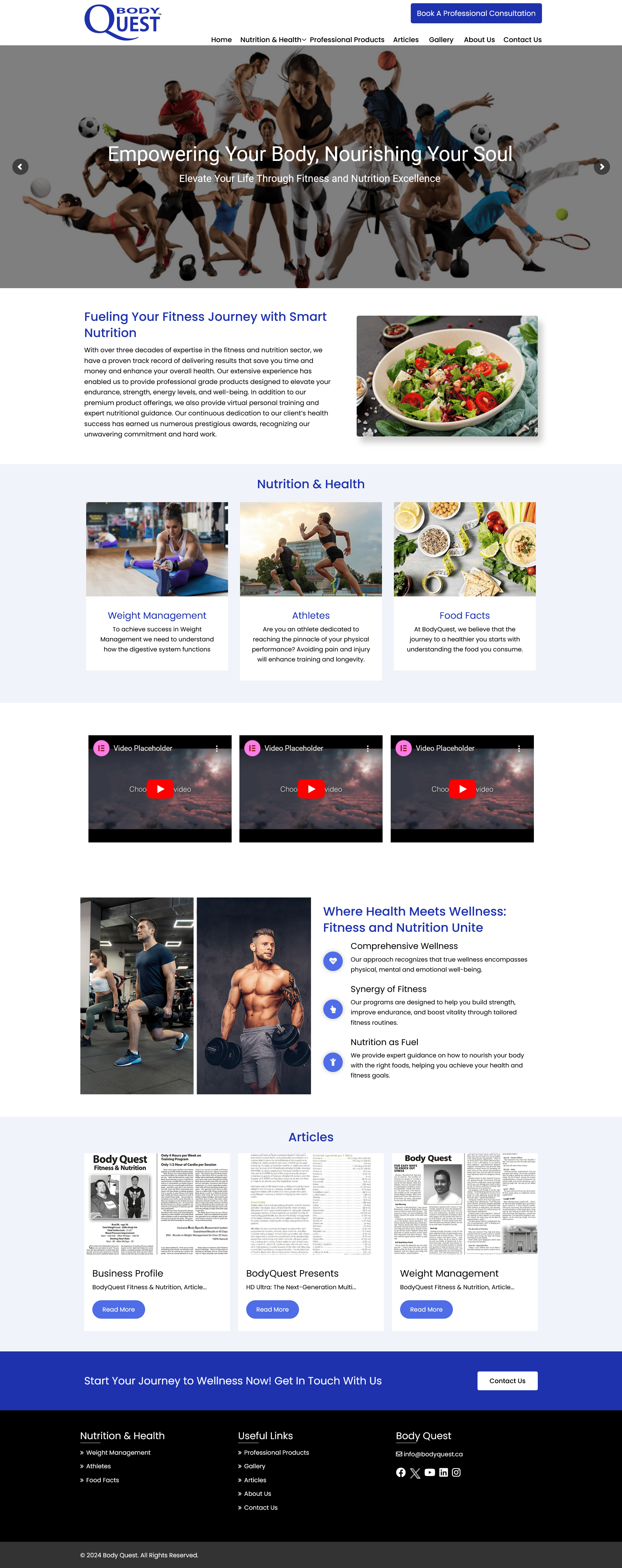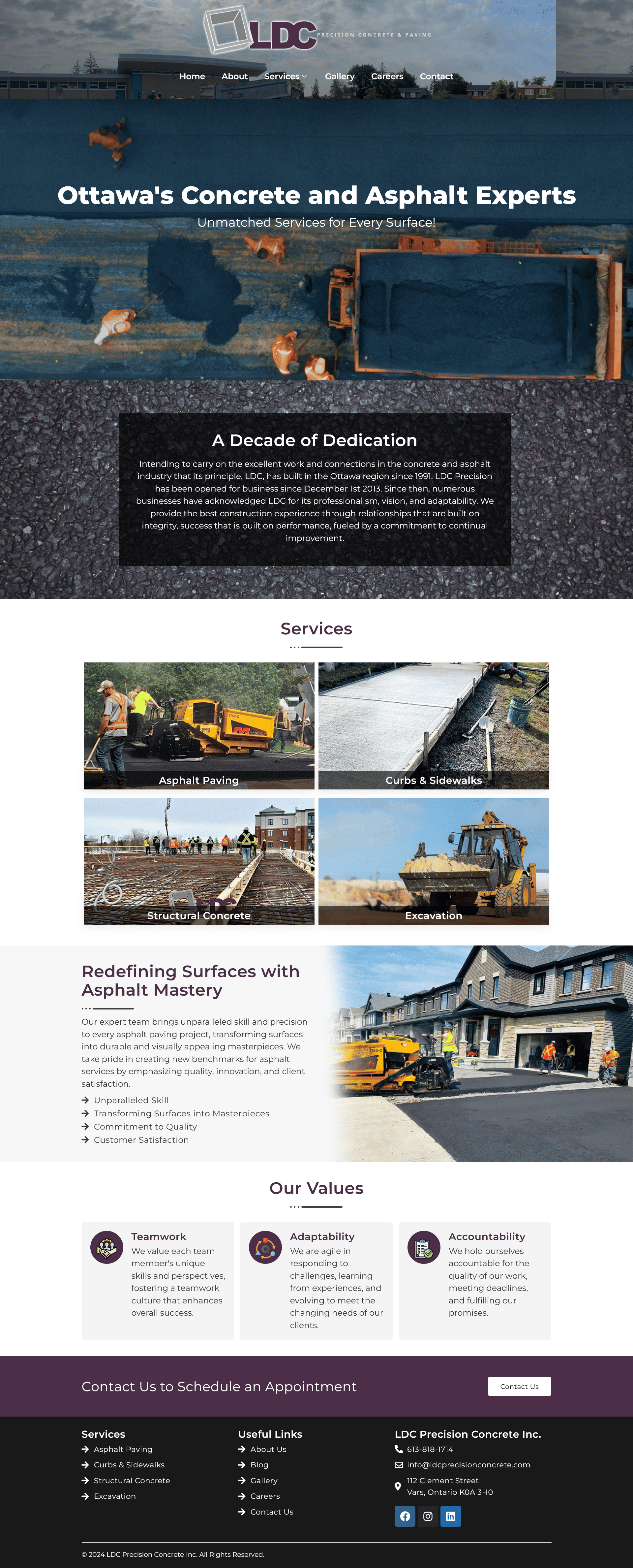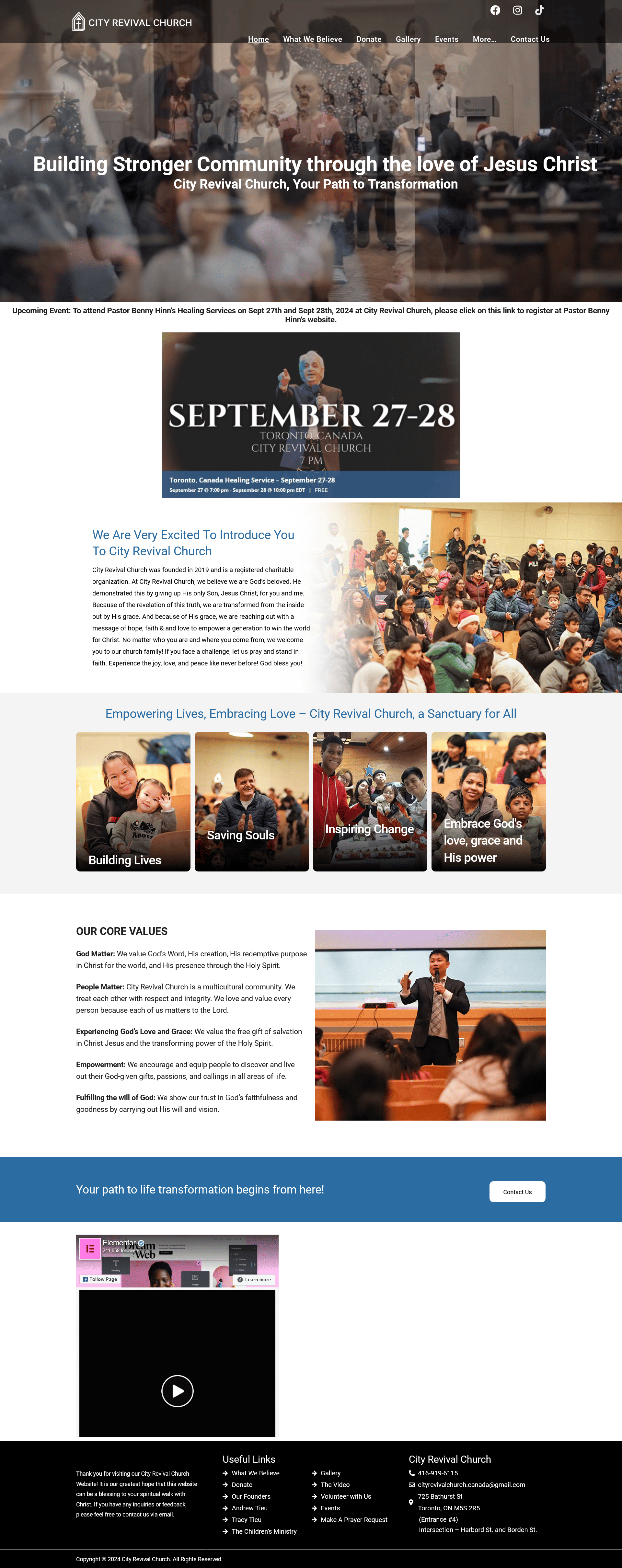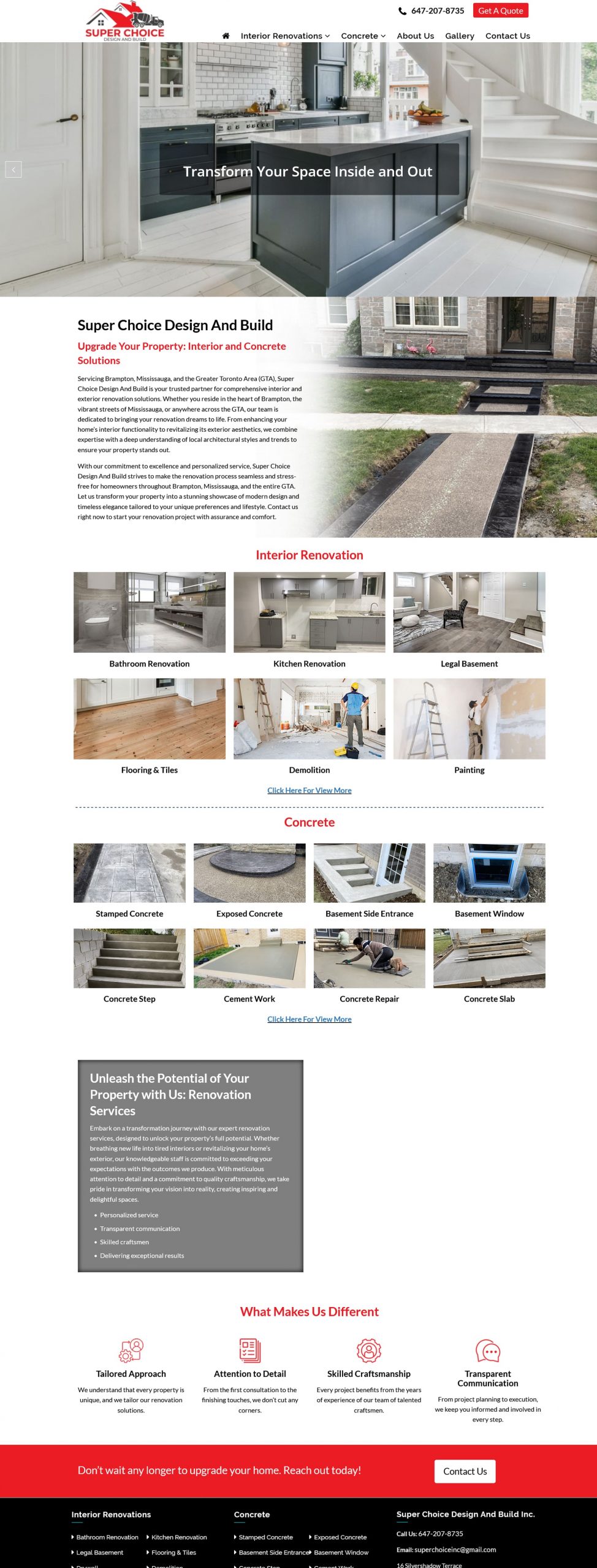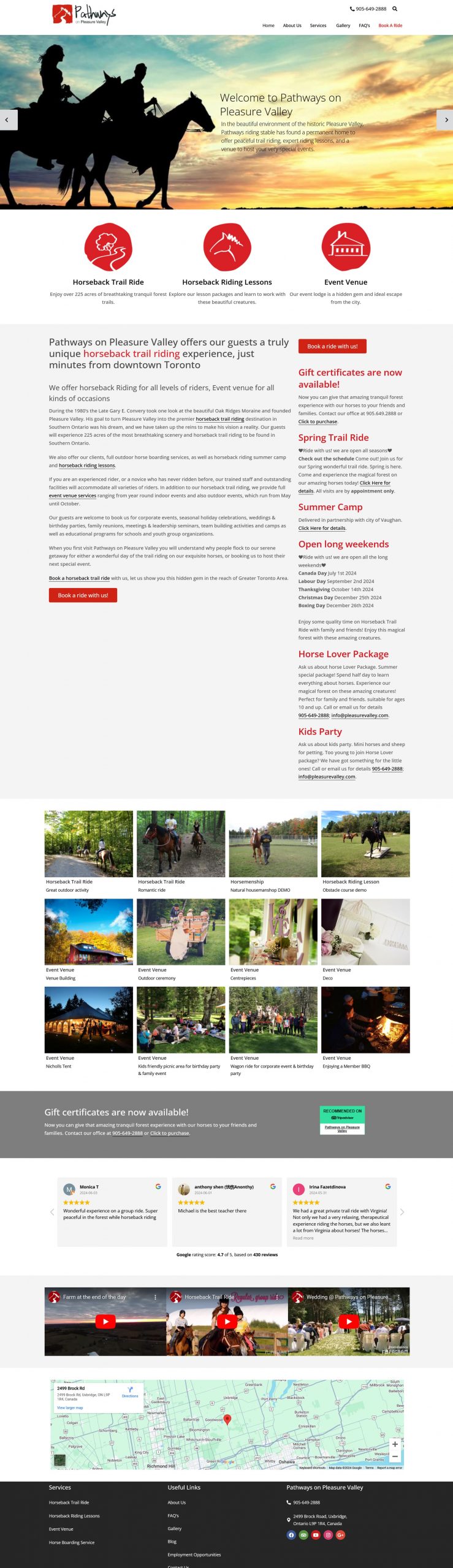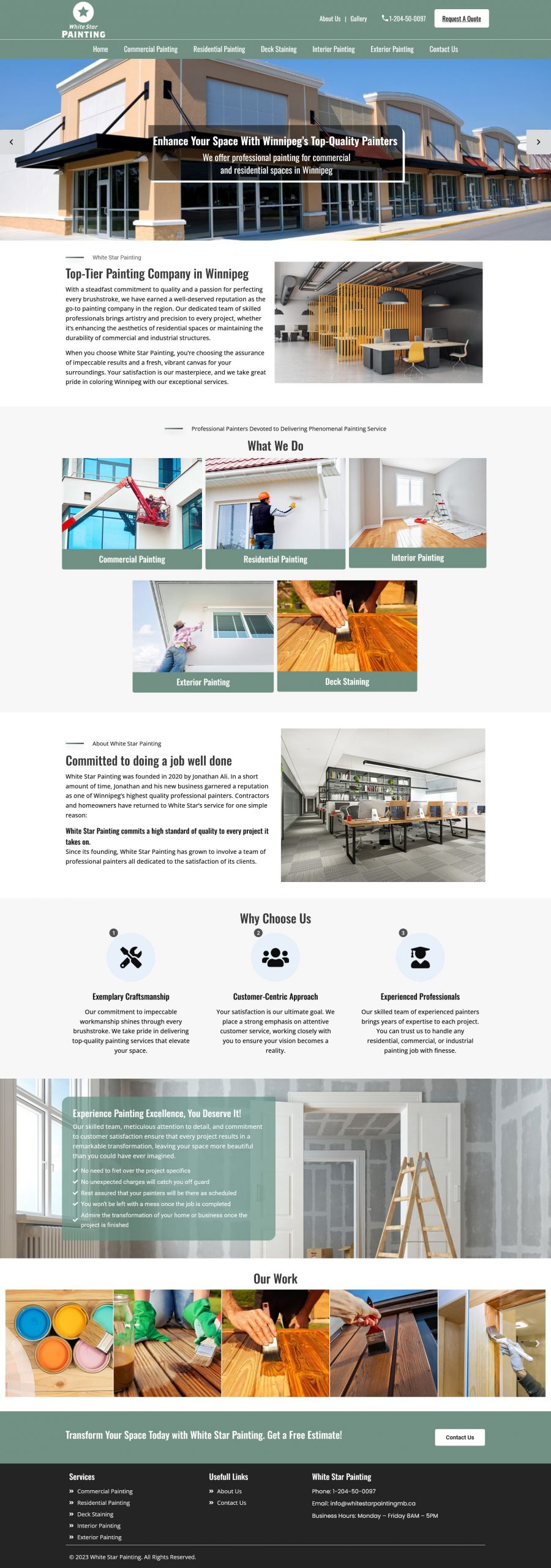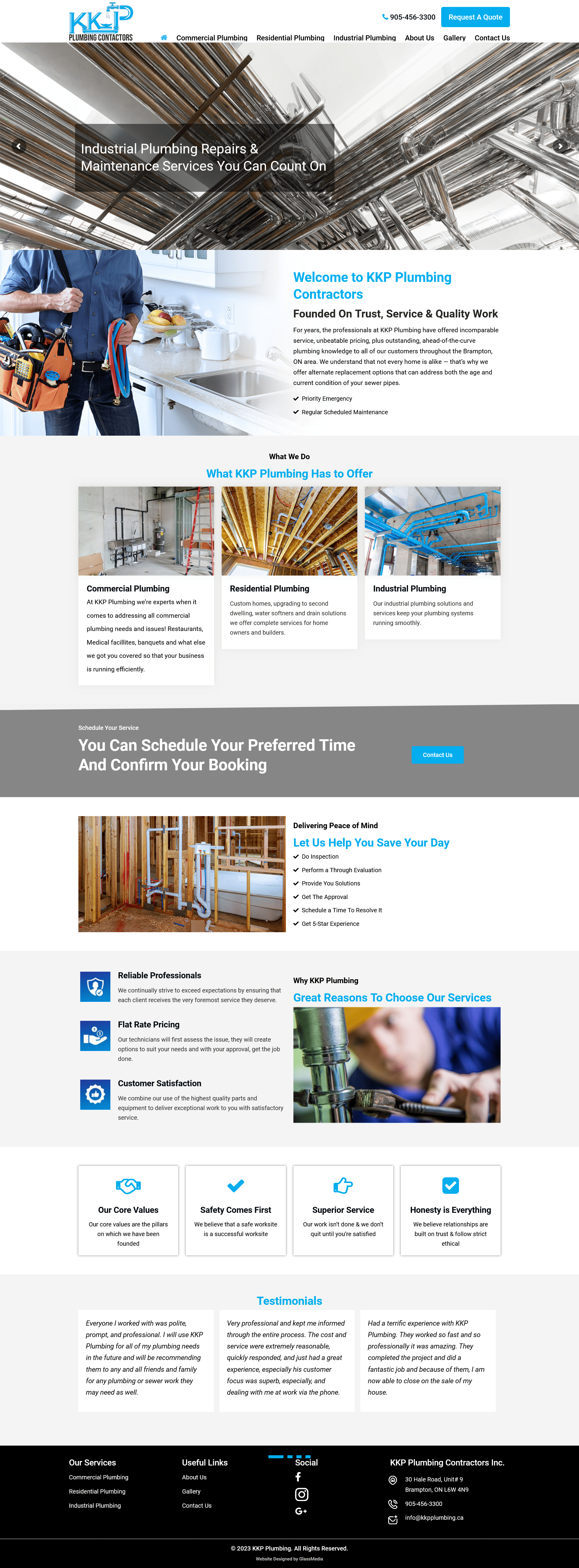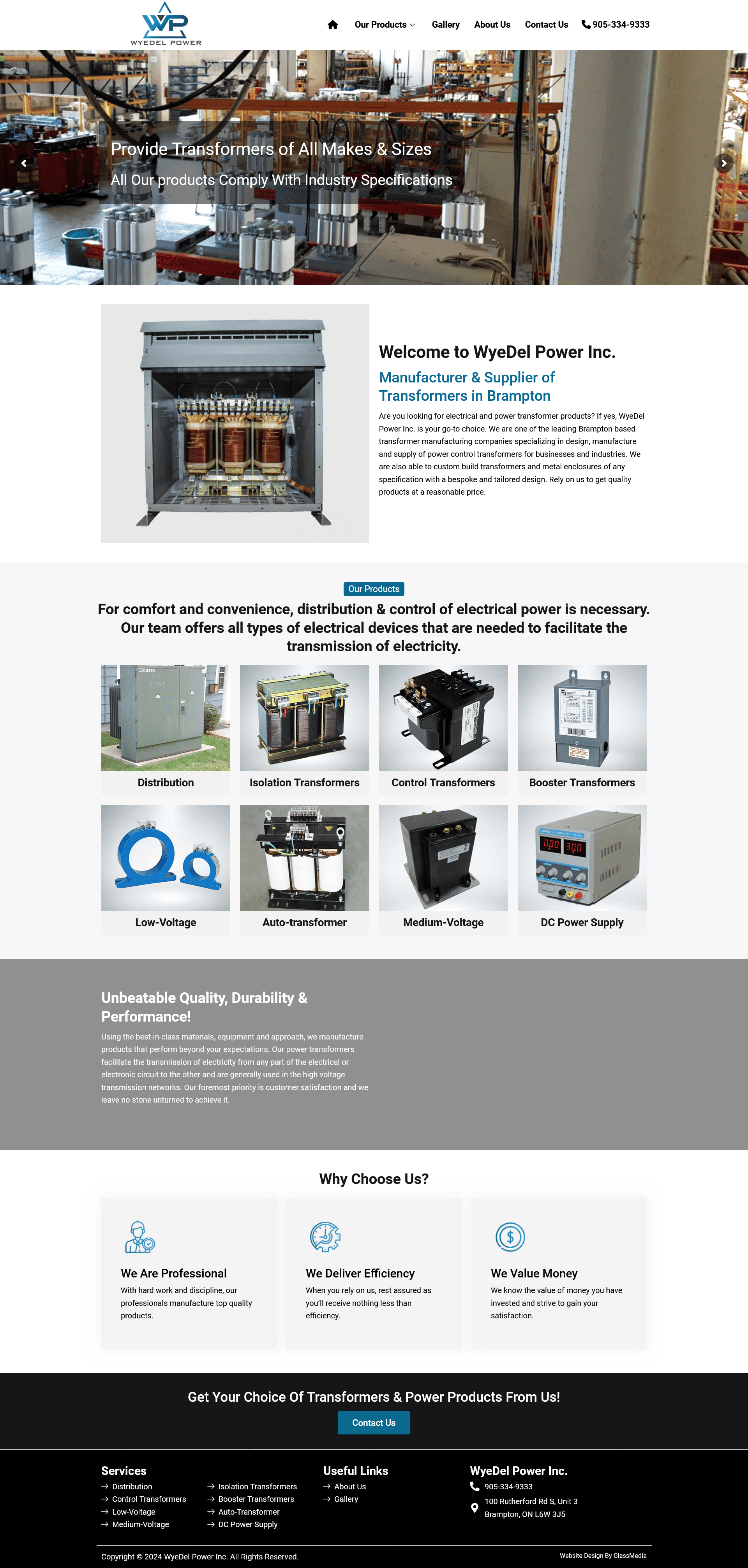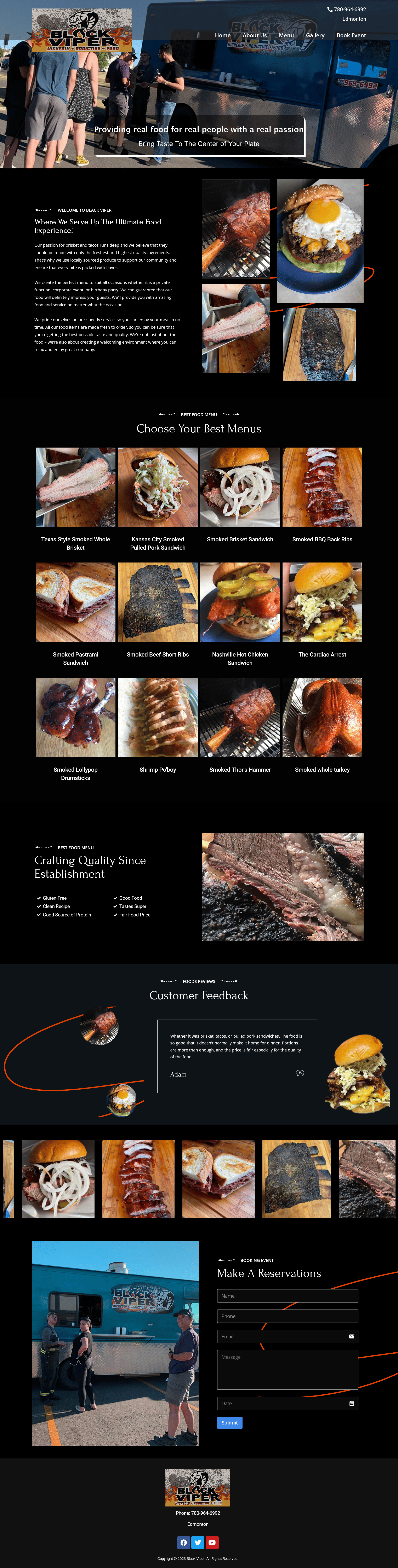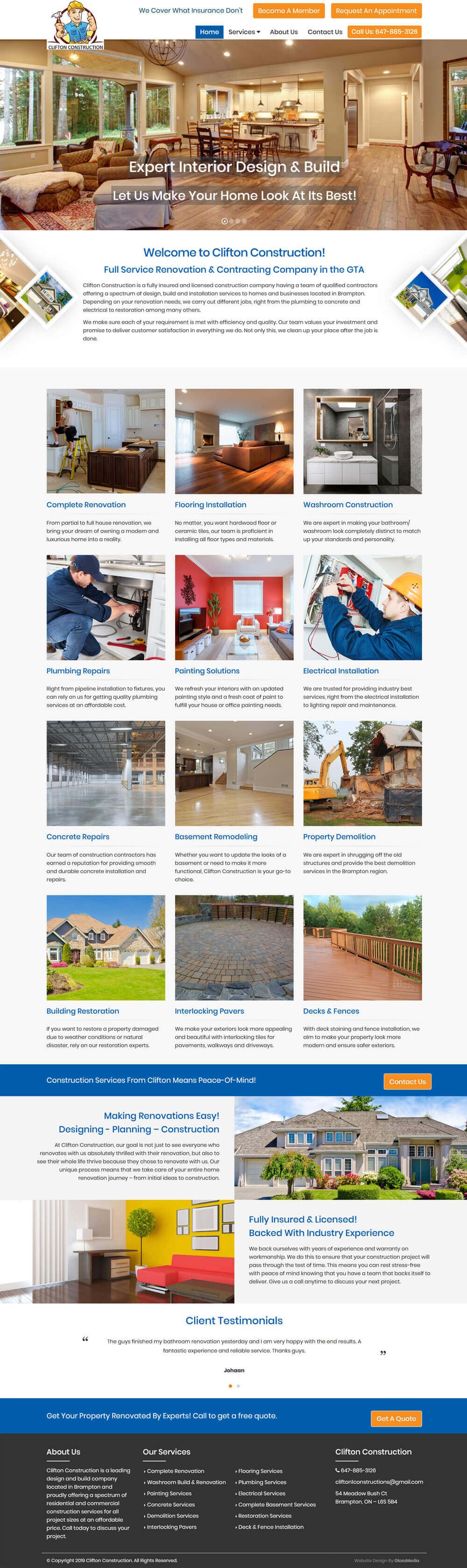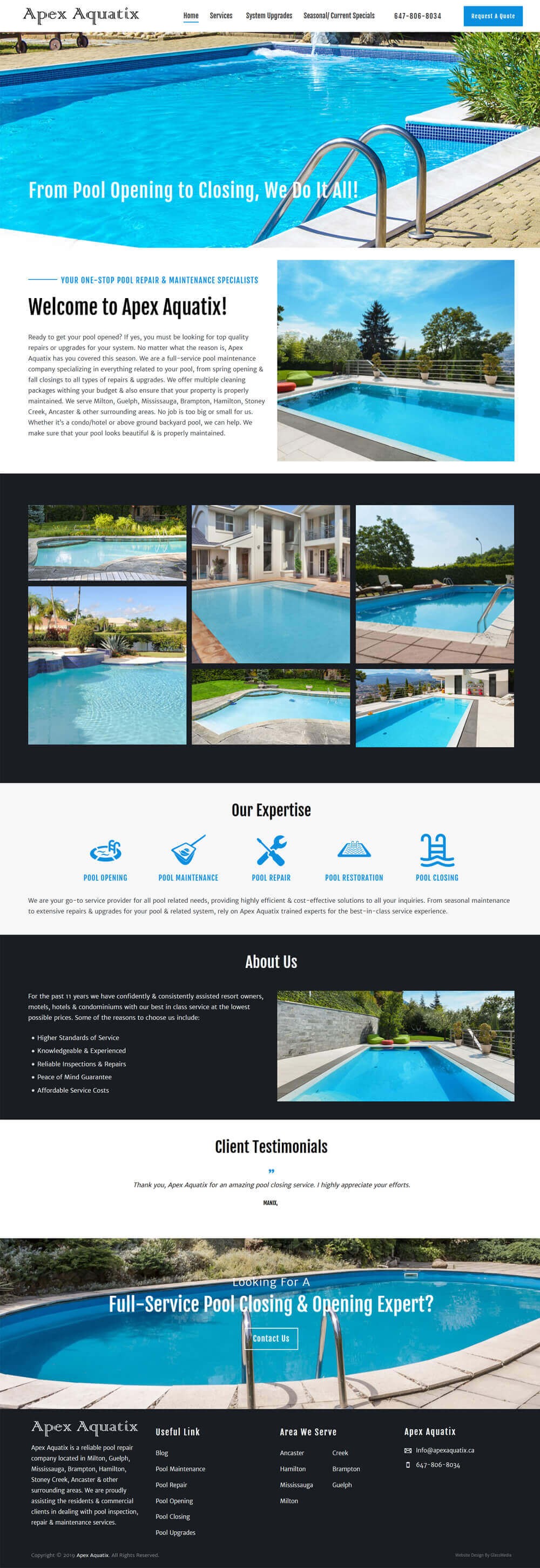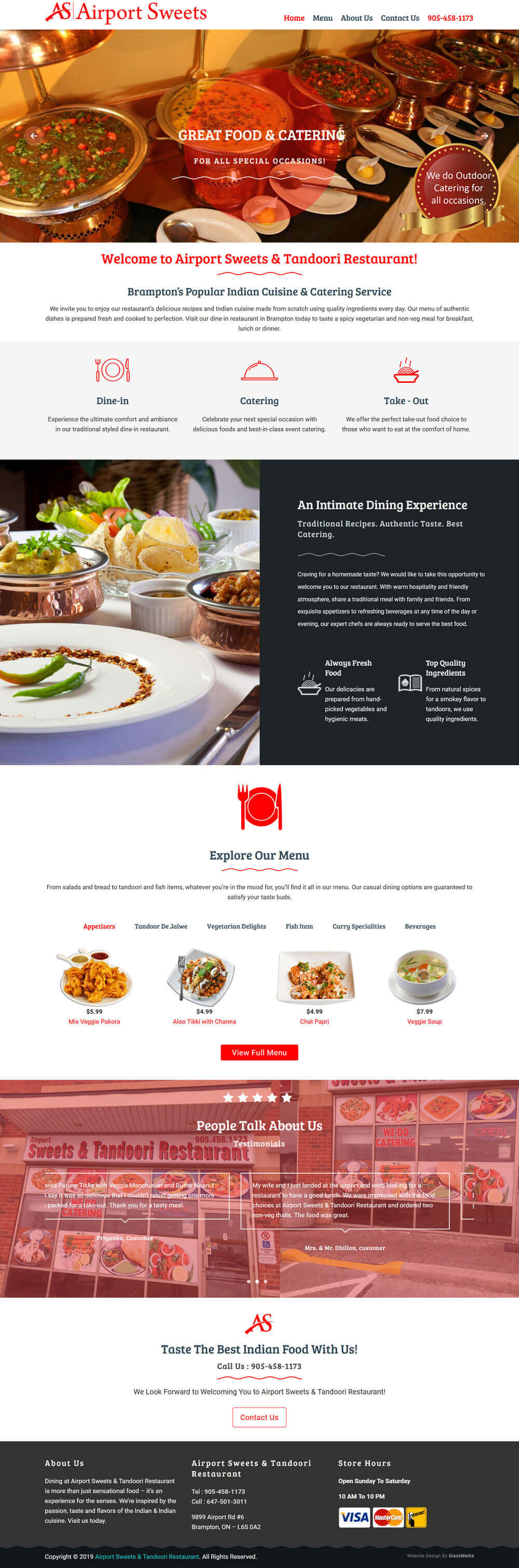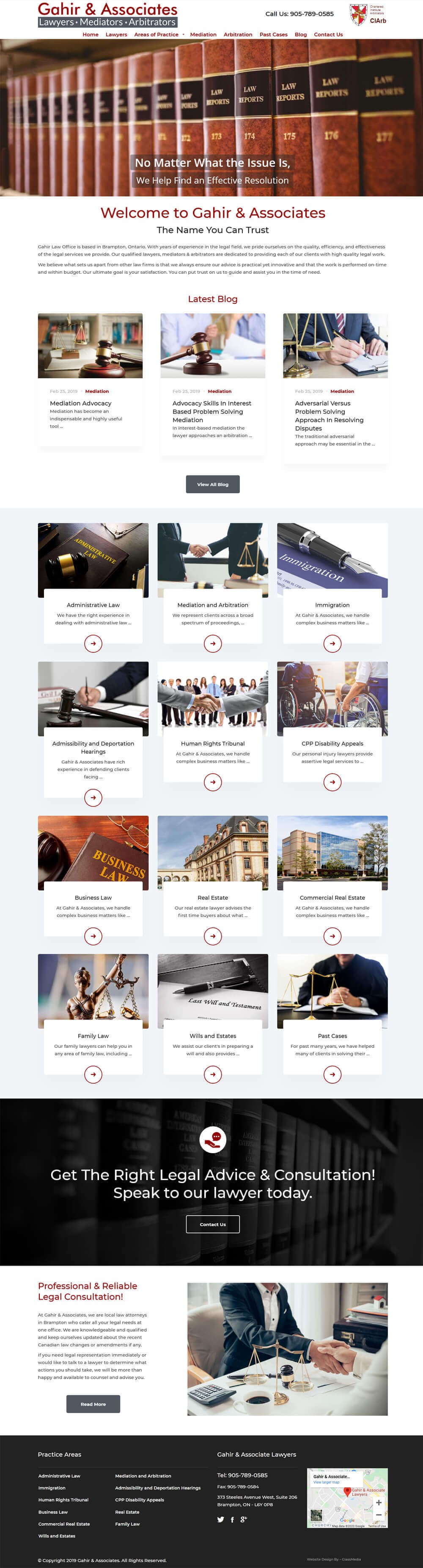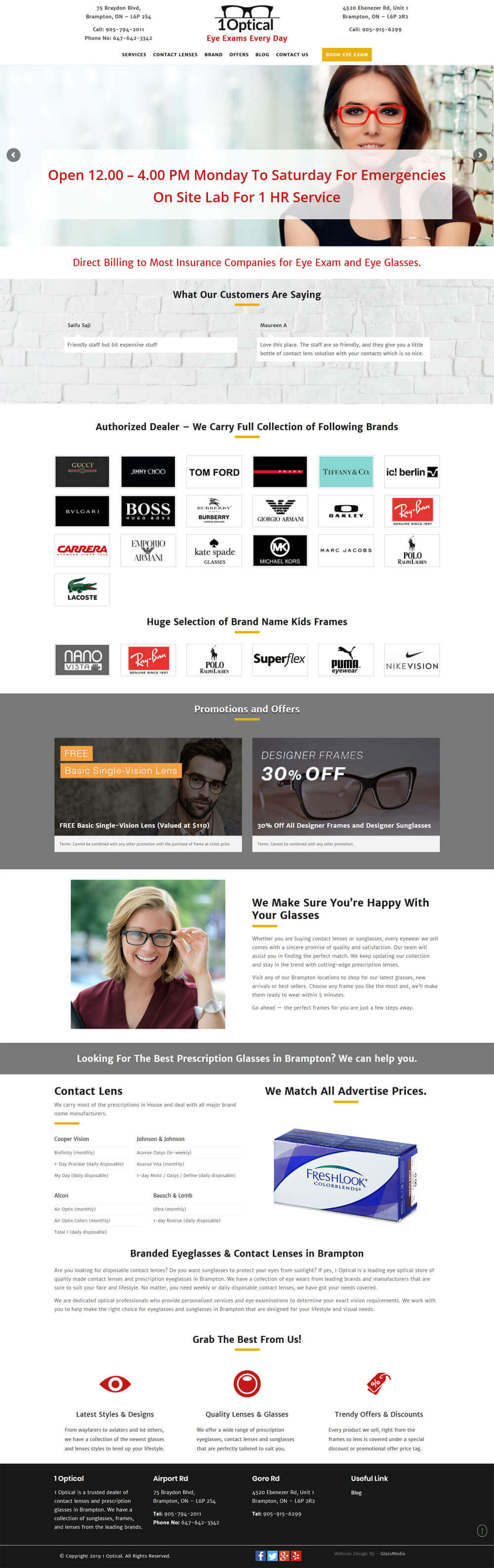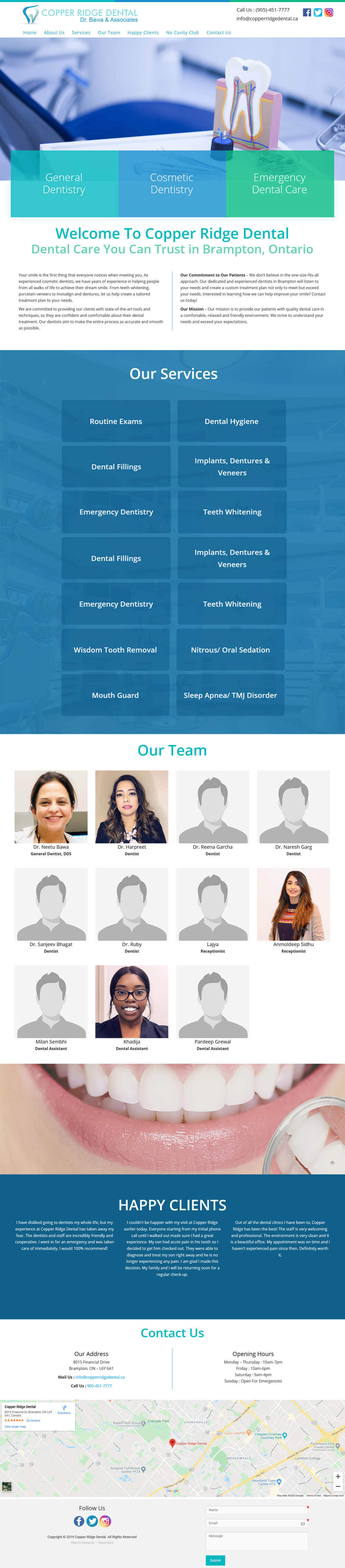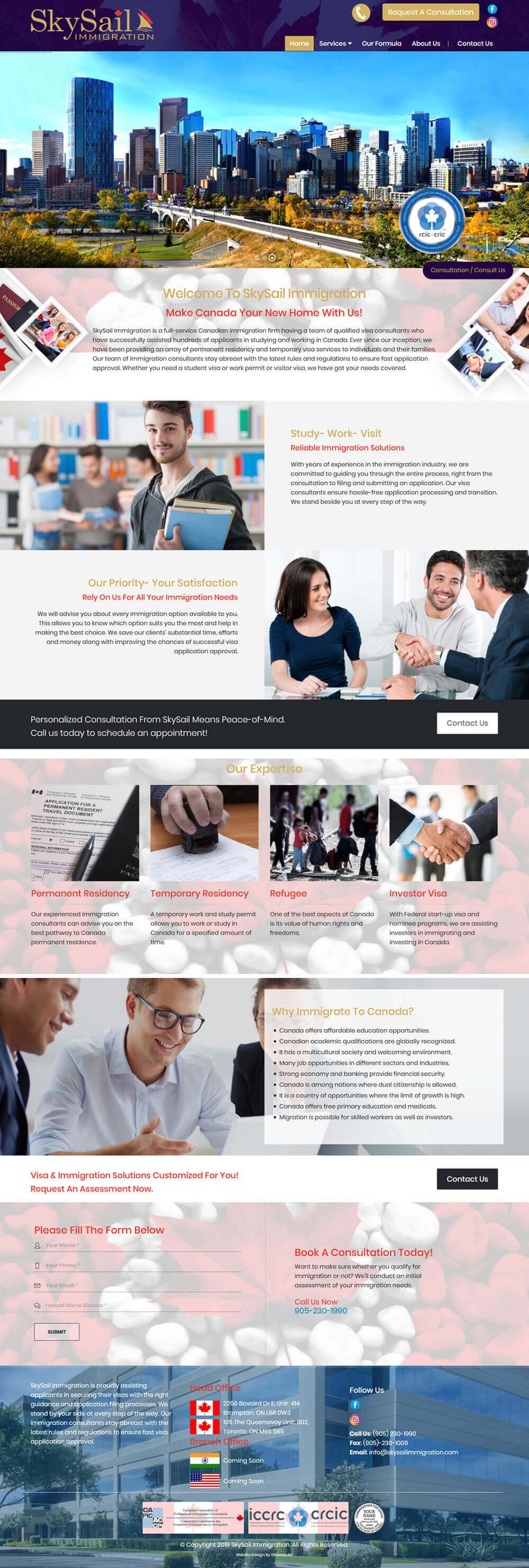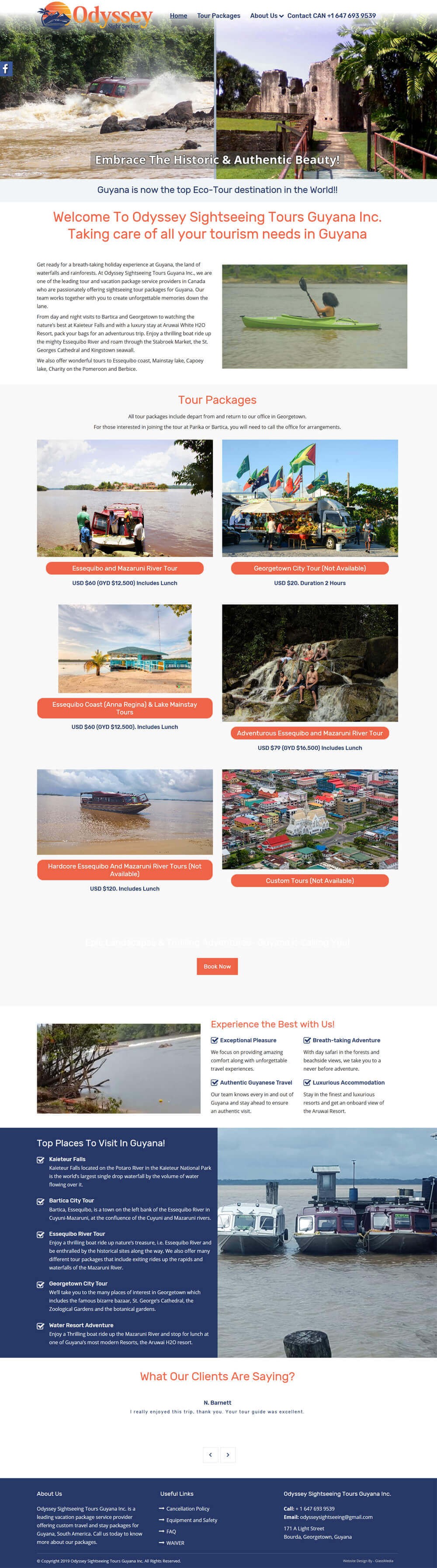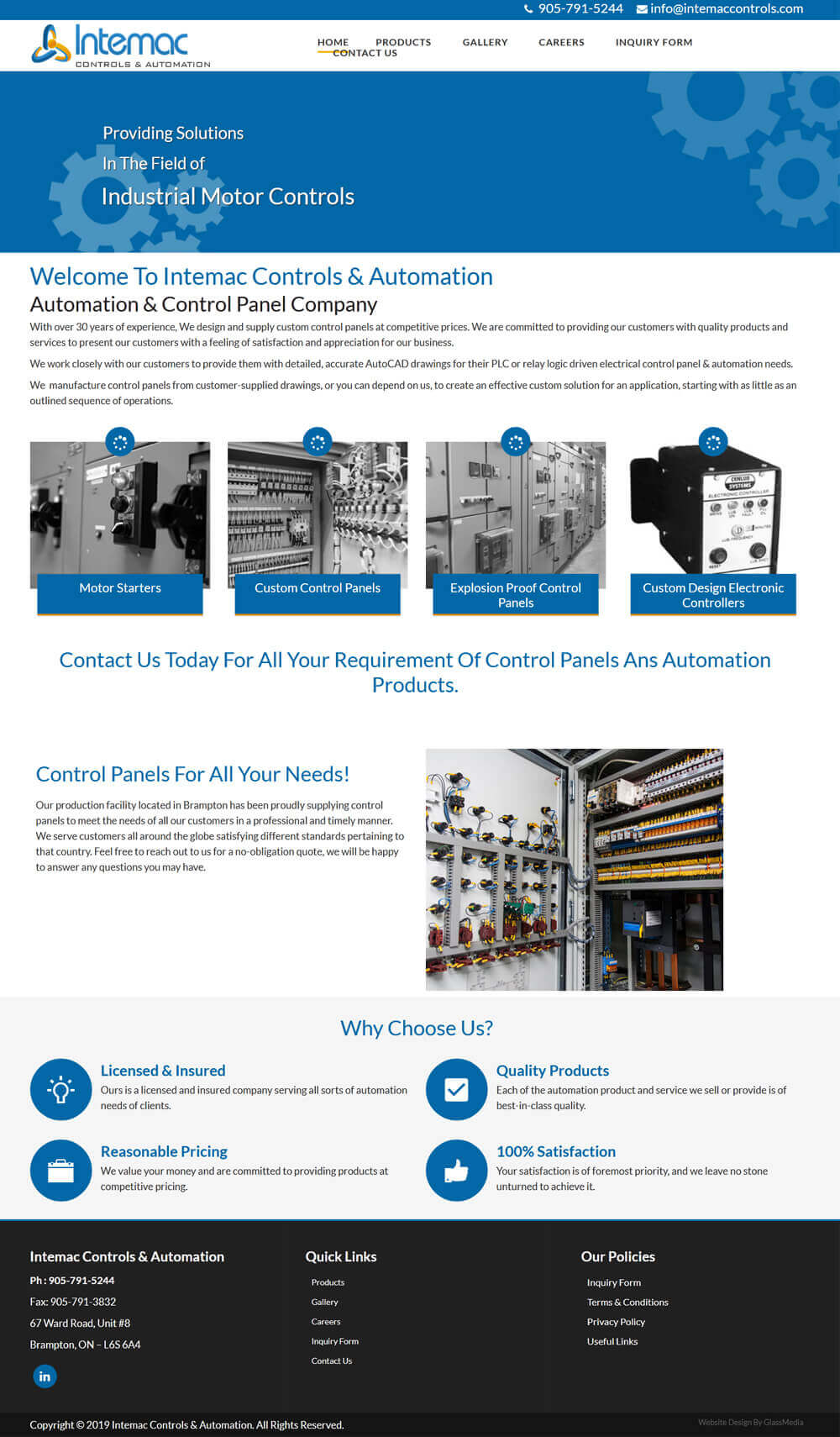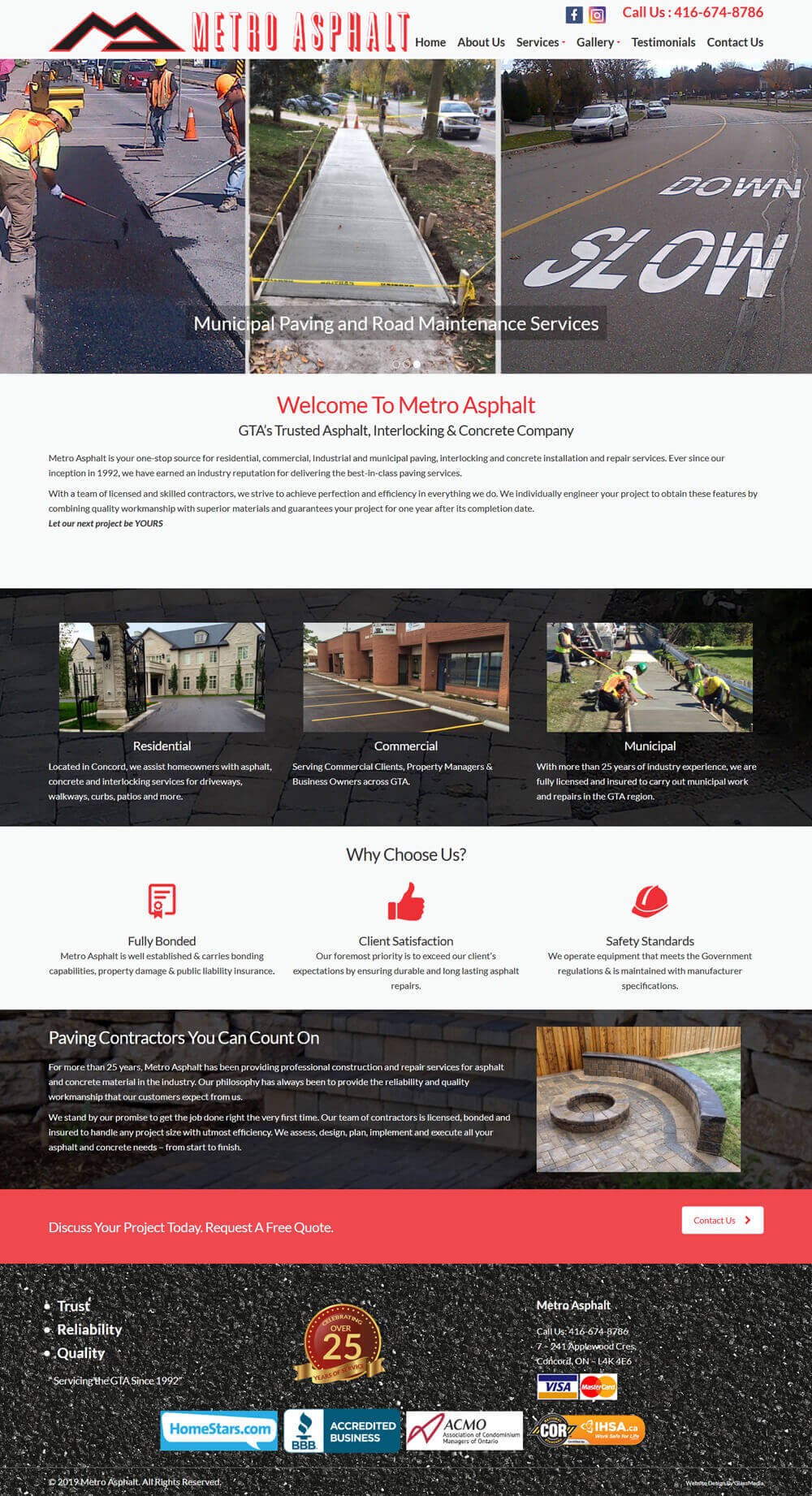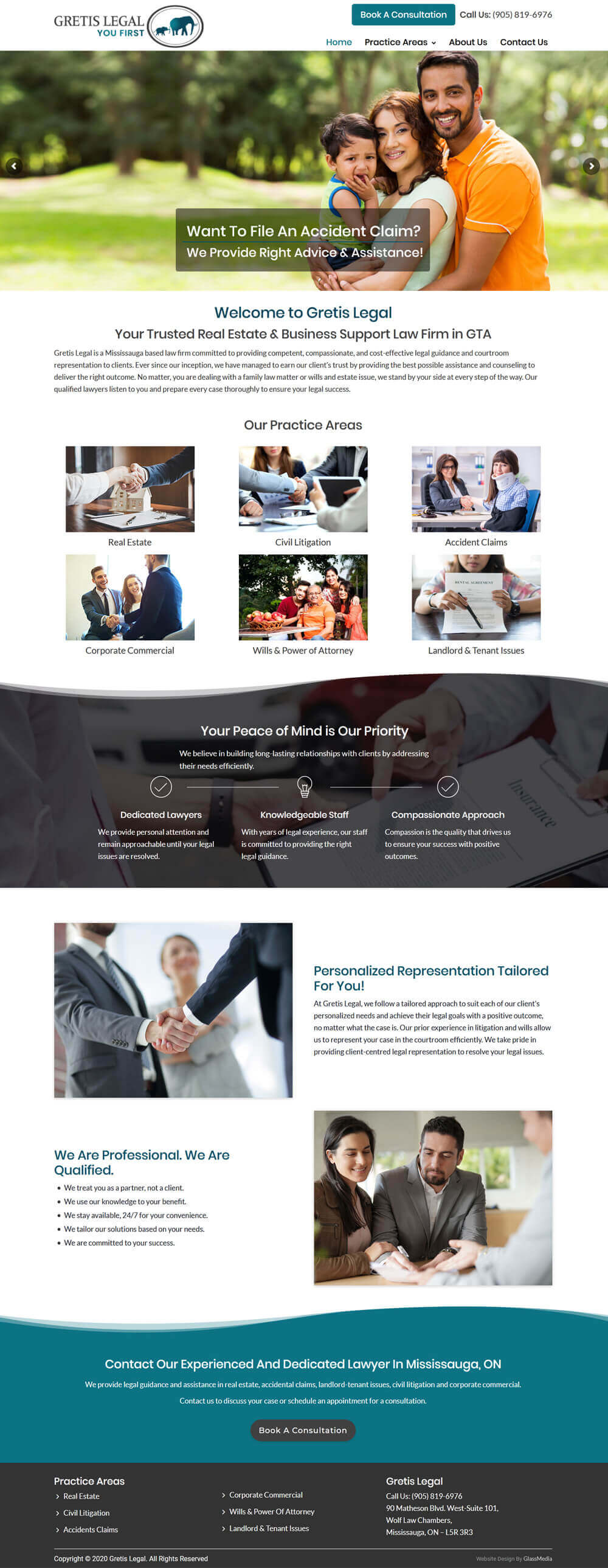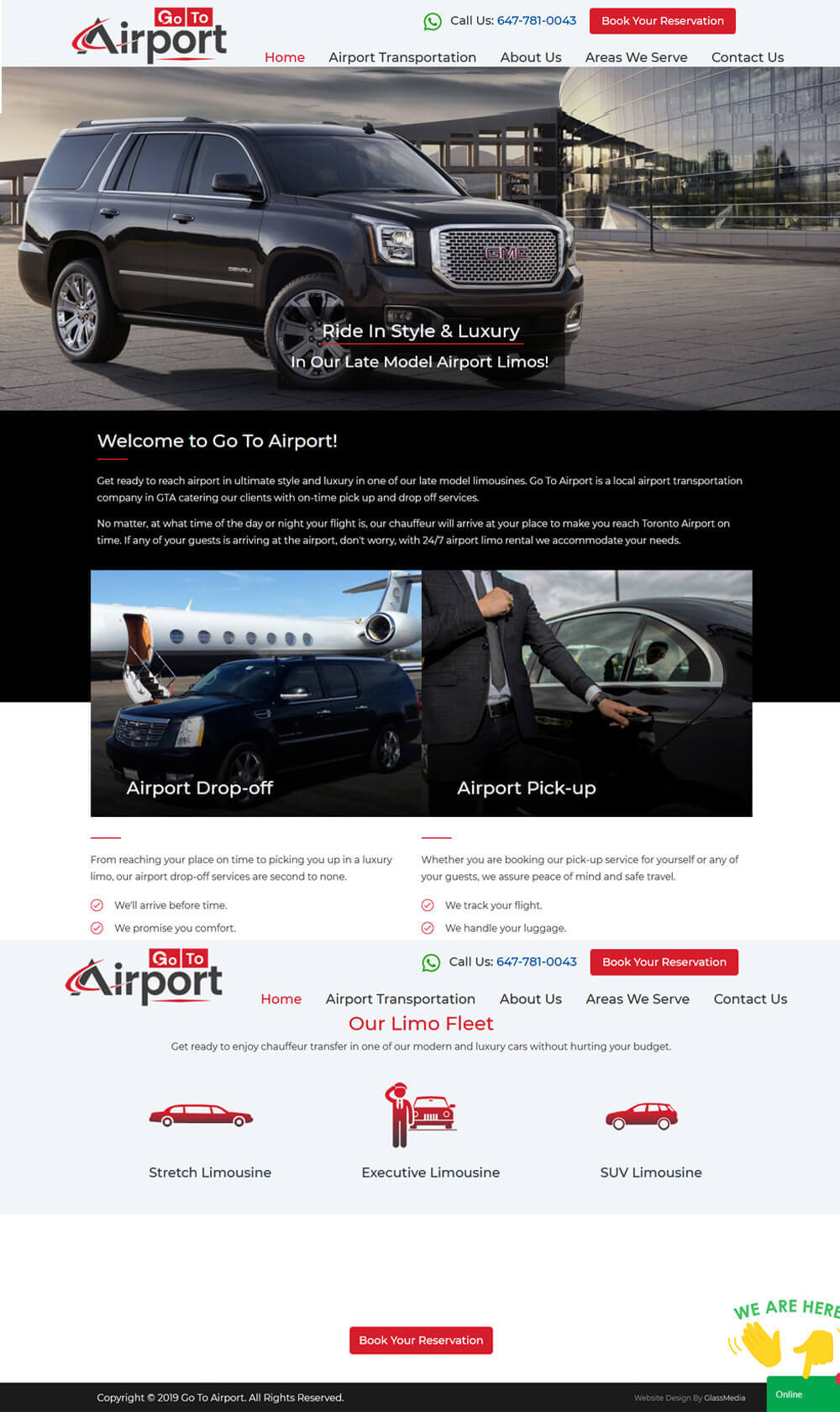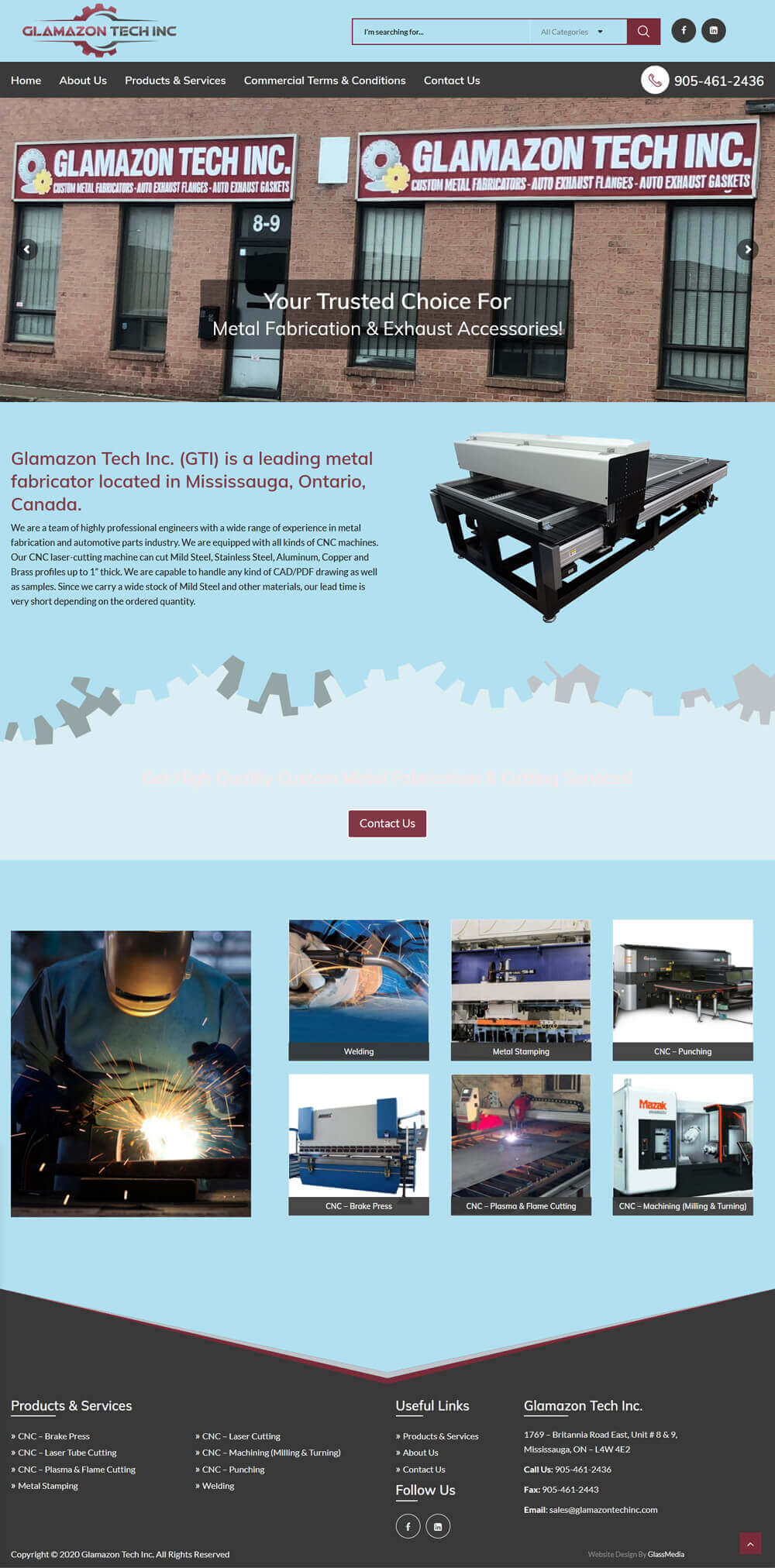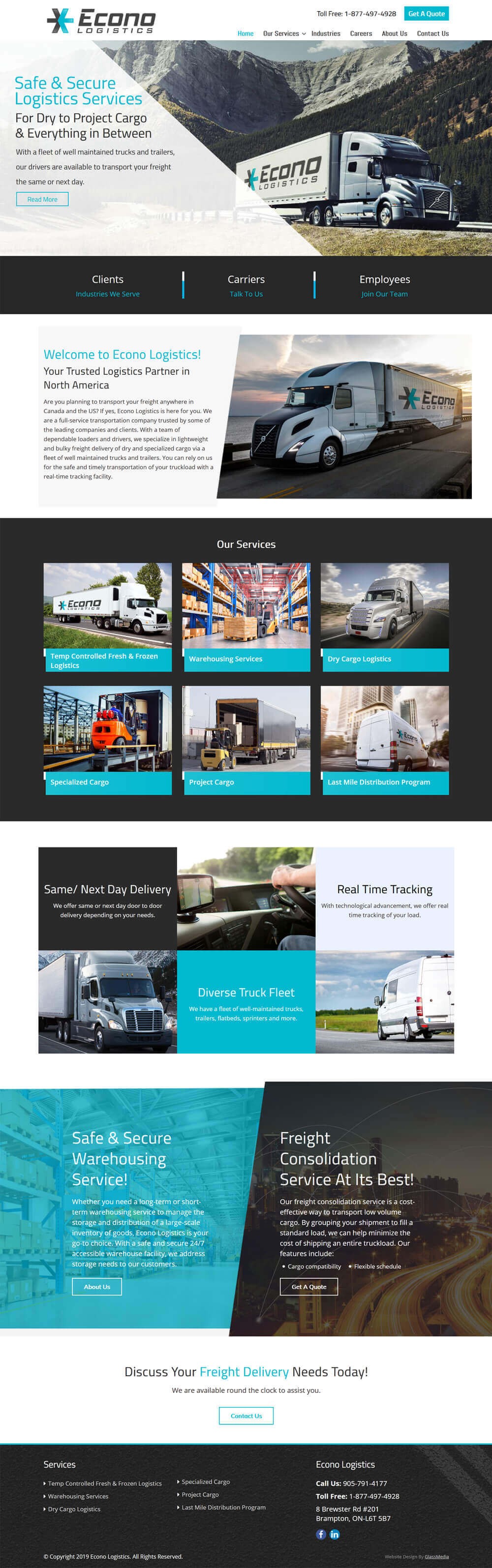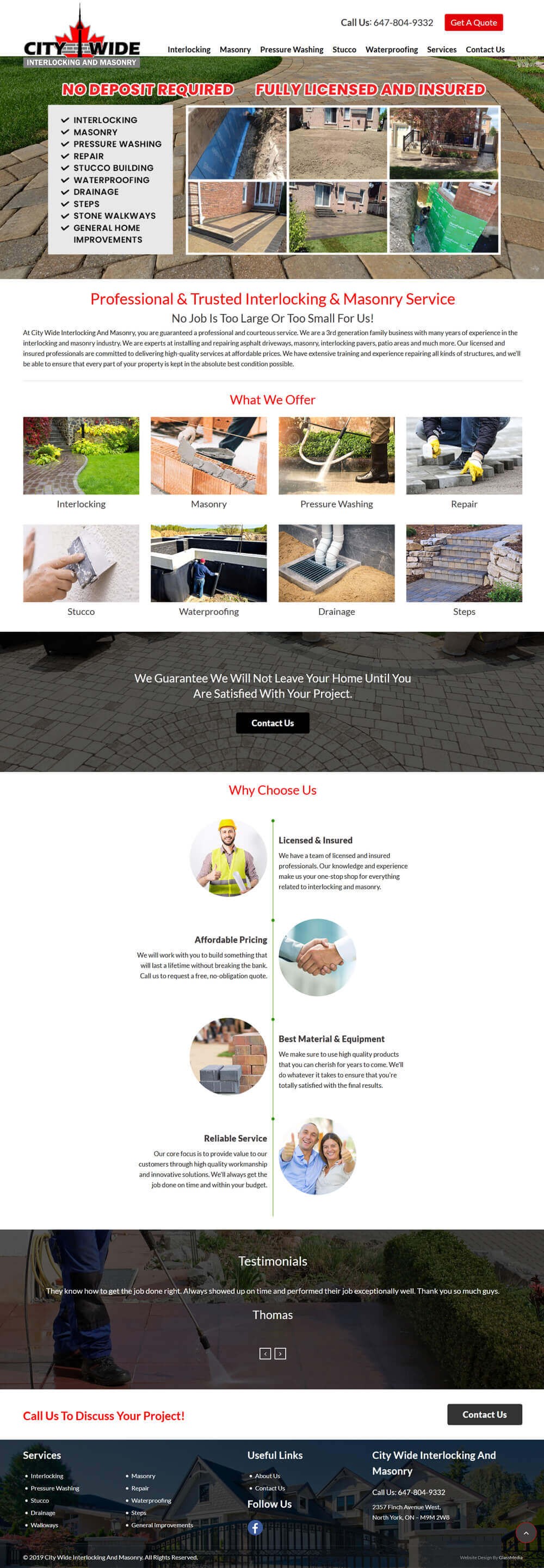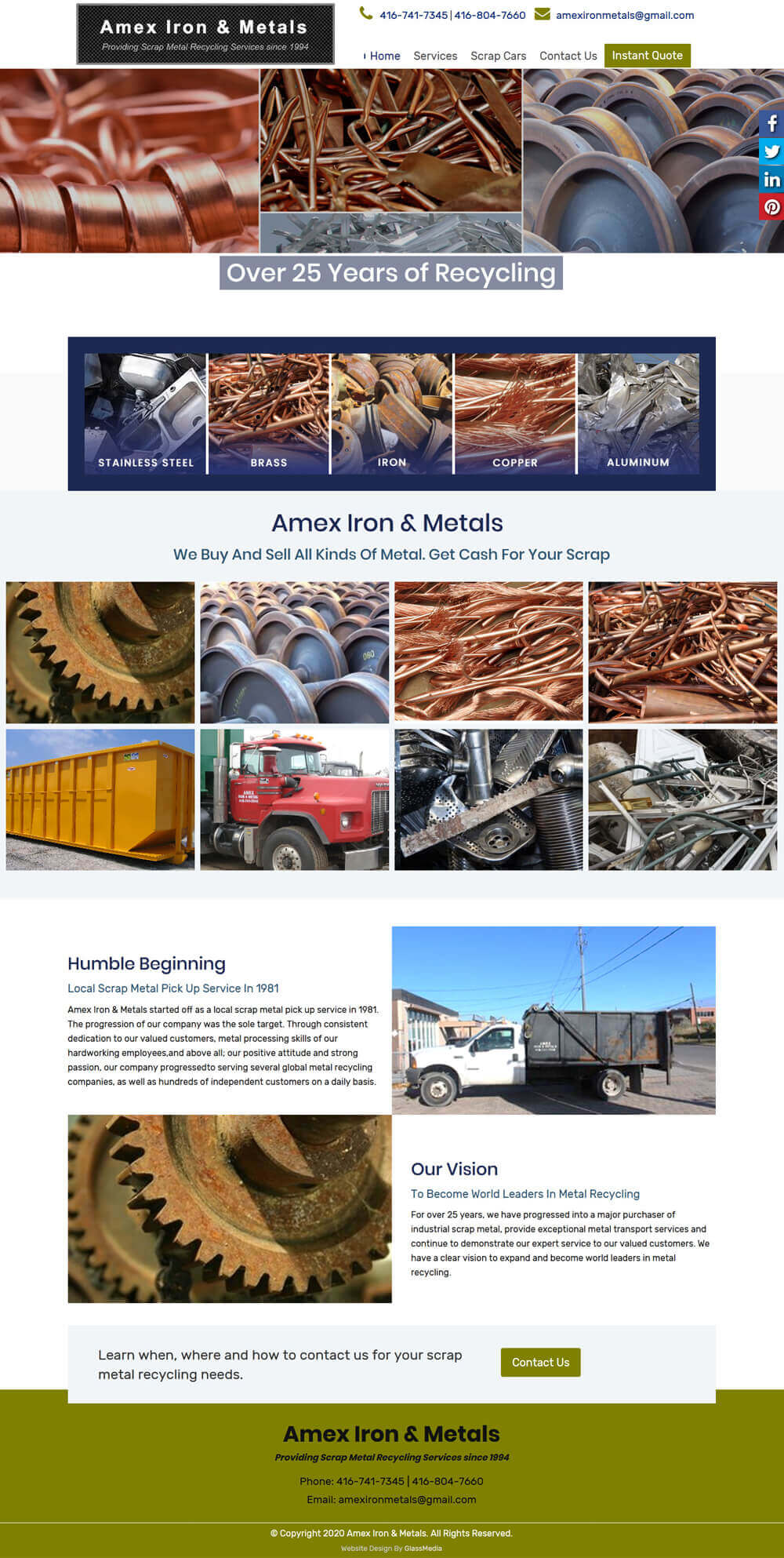

If you’re launching a new startup in Brampton or refining an existing brand in the Greater Toronto Area (GTA), understanding the latest trends in website structure and how to craft the perfect website description is the secret to staying visible online.
1. The Development of the AI-Ready Website
Search engine optimization is no longer about matching exact keywords or getting blue links on a result’s page. Now, with generative AI and large language models (LLMs) built into everyday search habits, platforms are directly summarizing web content for users.
To succeed in this environment, modern website development must focus on semantic clarity. Develop your website with clean code, correct schema markup, and a well-defined, contextually structured site, enabling AI crawlers to efficiently interpret your services, location, and distinctive value proposition. If an AI search engine cannot summarize what your business does in a few seconds of crawling, your visibility goes down.
2. How to Write a Modern “Website Description” That Converts
A website description today does two things: it’s the technical metadata that tells search engines what your page is about, and it’s the immediate, above-the-fold story (the H1 and hero copy) that hooks a human visitor.
The old way of writing descriptions was to cram as many industry-specific keywords into a paragraph as you could. The modern way is a compromise of accuracy, planning, and branding:
Be Immediately Clear: A visitor should know exactly what you do, who you serve and where you operate within three seconds of landing on your page.
Optimize your meta biographies: Your site-wide meta description should not be a list of services. It should read like an enticing invitation. For a local service provider: “[Company Name] offers top-rated [Service] in [City/Region]. “Get a free quote today and enjoy reliable, expert workmanship” is the best phrase.
Contextual Relevance: Naturally weave in variations of your primary services throughout your core description to help search algorithms understand the breadth of your business expertise.
3. Hyper-local optimization & personalization
For businesses competing across Ontario, from Toronto and Mississauga to Brampton and Vaughan, localization is a huge competitive advantage. The latest changes tell us that generic corporate websites are being replaced by hyper-local, community-centric digital strategies.
Modern web design is all about localized landing pages, real-time localized social proof (embedded reviews) and structured data that connects your physical storefront to your digital presence.
4. Interactive UX and Micro Interactions
Static pages are history. Today’s users want clean, interactive elements that guide them smoothly through the buyer journey. This includes the following:
Dynamic CMS Platforms: Flexible WordPress or custom-built architecture-based websites with the ability to seamlessly update content.
Micro-Interactions: Small animations, user-friendly navigation menus, and streamlined form layouts that make booking a service or purchasing a product a frictionless process.
Accessibility-First Architecture: Ensure your site is fully compliant with modern accessibility standards so every member of your audience can use it.
Glass Media: Boost Your Digital Presence
Is your current website architecture working hard enough to keep pace with the latest digital changes? At Glass Media,, we not only build beautiful websites but also high-performance digital solutions optimized for the modern search landscape.
Our Brampton-based team assists small and mid-sized businesses in establishing an undeniable online presence—from custom WordPress development to data-driven SEO strategies.
Ready to change your digital strategy?
Get in touch with Glass Media today or call us at 647-559-4831 to discuss your next web design project!